

Minidoka. The History We Should Know.
Sometimes, traveling teaches hard life lessons, like what we experienced in Jerome, ID.

A few weeks ago, we drove through the town of Jerome, Idaho, but the memory of our visit has haunted me ever since. The images, the stories, and the history of what happened burn a hole in my heart. 😭
I need to share it with those who have never heard it.
This will be one of the hardest posts I’ve ever written, and honestly, I hope it will make people uncomfortable, because sometimes we need it to learn valuable lessons. And as much as I want to avoid unpleasant conversations and not alienate readers, this is a conversation that must be had!
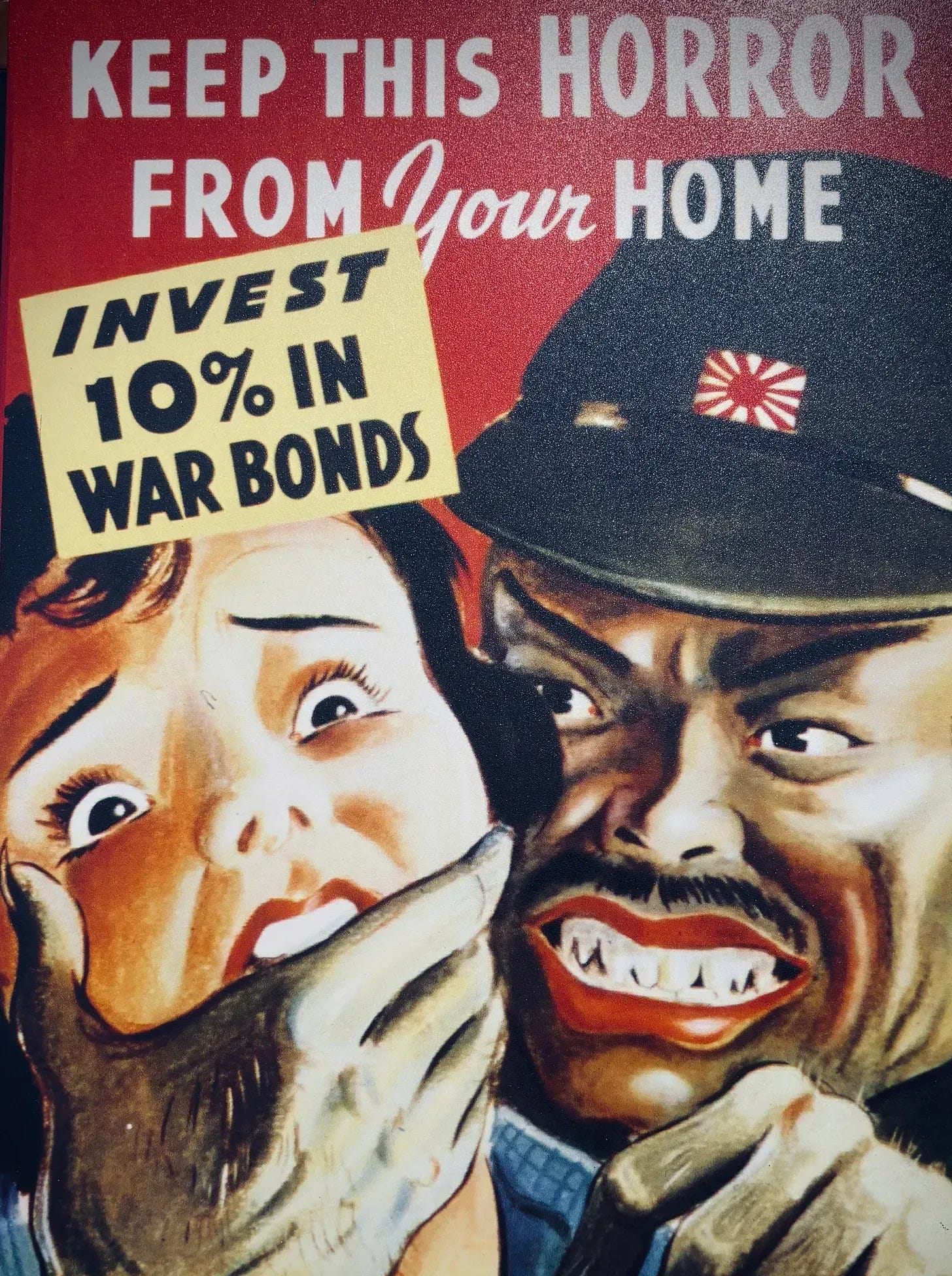
On December 7th, 1941, the Empire of Japan launched an attack on the United States of America at Pearl Harbor in Oahu, Hawaiʻi. Most of us know that history and how that forced us into World War II. But what many Americans don’t know is what happened to Japanese immigrants and even American-born citizens of Japanese ancestry.
Shortly after, Franklin D. Roosevelt issued Executive Order 9066. This “authorized the forced removal of all persons deemed a threat to national security," resulting in approximately 125,000 Japanese Americans being ripped from their homes and incarcerated without any due process.
The War Relocation Authority set up 10 permanent camps out west, with over 20 smaller camps throughout the country. Prisoners were sent to these concentration camps, dubbed “relocation centers” simply because they were of Japanese descent. They were only allowed to bring what they could carry.
Two-thirds of these prisoners were American citizens, with some having as little as 1/16 of Japanese ethnicity. These people lost their homes, businesses, and money—all confiscated by the government, totaling the equivalent of $2 to $5 billion in 2017 dollars.
When the war was over, they were provided $25 and a ticket home. Upon returning, most of these people discovered their houses were sold, businesses were gone, and any property was vandalized. There was nothing left.
Furthermore, the Japanese were so dehumanized that many could not reintegrate into society due to the hatred of white people, and even those Asians who served our country in World War II and bravely fought the enemy were treated with disgust and neglect.
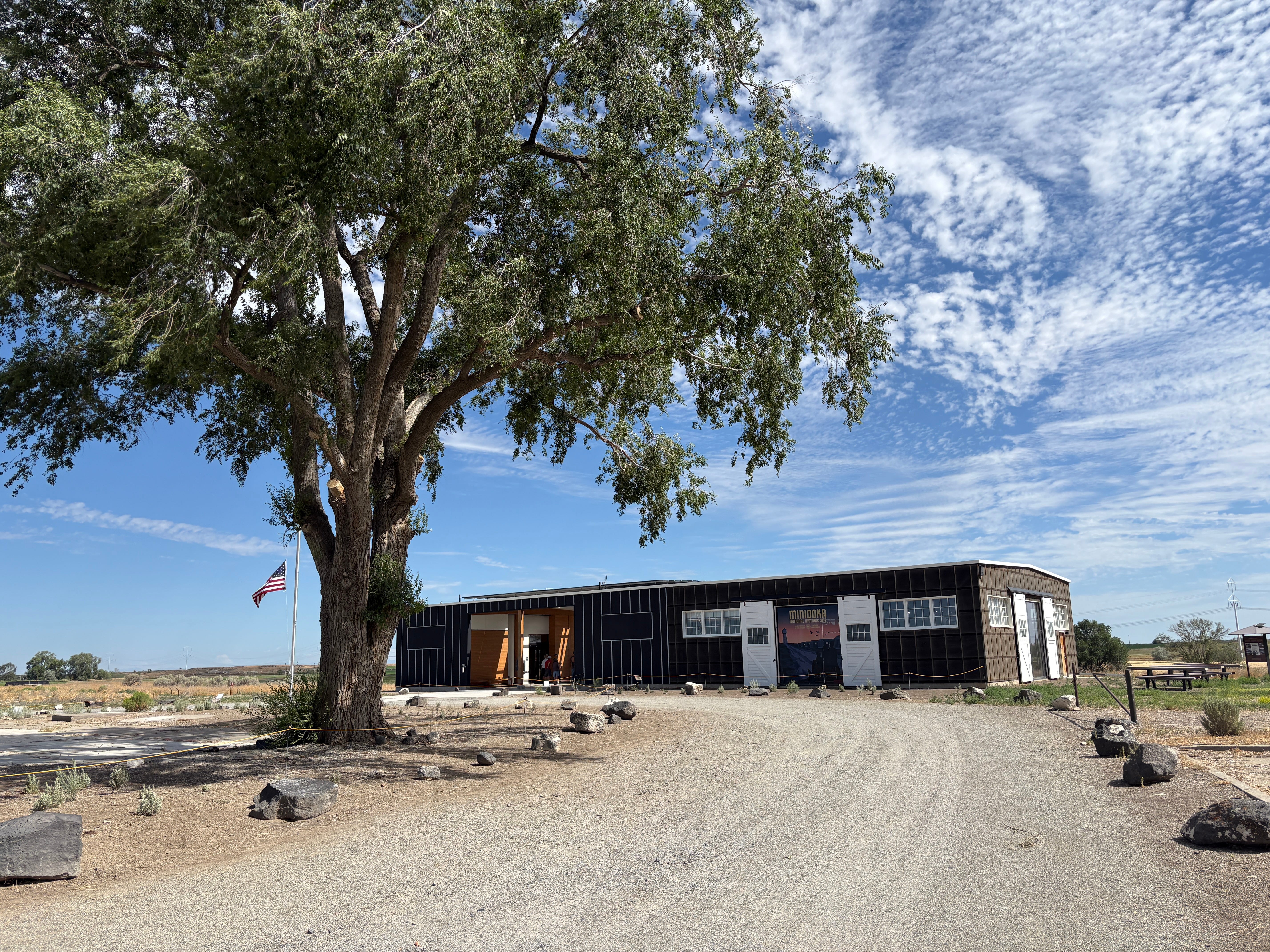


Amache, or the Granada Relocation Center in Colorado, was the first incarceration camp we visited. We discovered it in 2020 during our backroads exploration by accident, and even though I knew about these camps, it was shocking to see the remains of this uneasy and gut-wrenching history.
But Minidoka National Historic Site really spoke to it!
Driving in toward the visitor center, we came across remnants of buildings and signs along Hunt Road and S 1400 E, including an Honor Roll of all the Japanese Americans who were sent to Minidoka but who would go on to serve our country in the 442nd Regimental Combat Team (Rainbow Division), a segregated U.S. Army unit comprised almost entirely of Japanese Americans (Nisei). The 442nd would become the most decorated combat unit in all of World War II. Let that sink in.
The visitor center on the grounds is stunning. It’s a beautiful tribute to the 13,000 people who passed through or were imprisoned there, but also a painful reminder of what they endured. We cried walking through it.
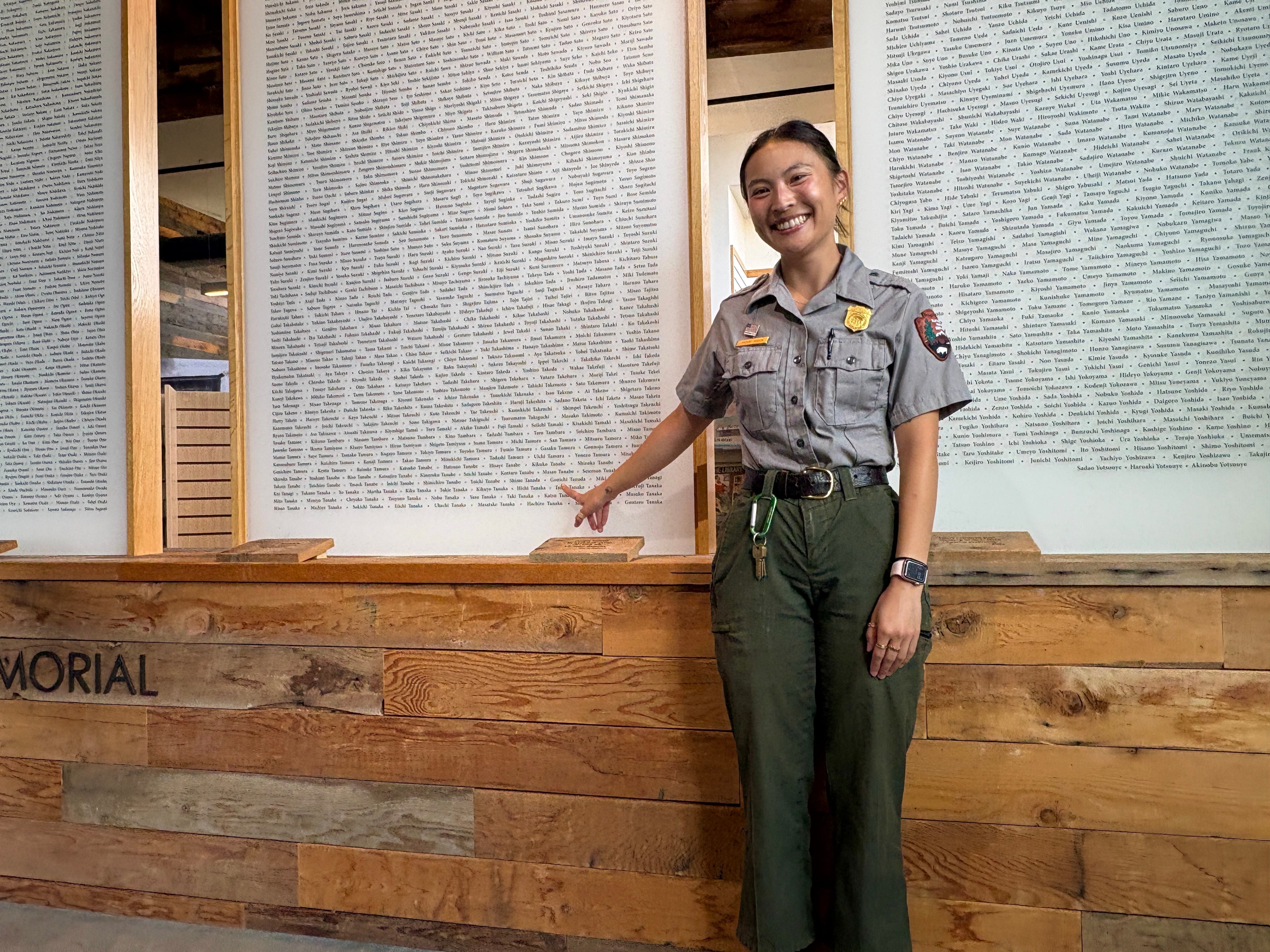


As we talked with the Park Ranger, Midori Tanada, I couldn’t help but notice her last name was Japanese, and one I had seen on a wall, so I asked about her story and why she chose Minidoka as a place to work.
Midori’s great-grandparents, Shime and Gonichi Tanada, were among the prisoners housed at this concentration camp, and she believed it important to keep this history alive while honoring the memory of her family. Ms. Tanada, with such a graceful and kind spirit, shared some of her stories with us, ones we were grateful to hear.
The Minidoka Visitor Center allows you to read the history in some of the prisoners’ own words and gives a visual representation of what this concentration camp was like. It includes artifacts from those incarcerated, as well as those who taught there. They also offer walking tours of the grounds, along with history lessons and an interpretive trail.
For families and descendants, there’s even an annual Minidoka pilgrimage.


What keeps bringing me back to this Minidoka experience is what I continue to see happening in this country.
Immigrants are being ripped from their families and communities after being dehumanized by far-right extremists and a government that has made them scapegoats for its problems. White Americans who continue to demonize people of color and LGBTQ+ people help perpetuate the idea that some people are less deserving of dignity, freedom, and basic rights—an idea that has allowed innocent people to be imprisoned without due process or criminal charges.
This horrific history from World War II is repeating itself on a smaller scale.
As we’ve traveled this country and other countries over the past decade, we have learned the value of different cultures and the beauty of people from all walks of life. We have experienced generosity, friendliness, acceptance, and hospitality in ways that are indescribable. And we have discovered that most people, regardless of nationality or background, want the same things you and I do.
We want to be free to live as we want to live and to be respected and treated equally, as it’s written in this country’s constitution.
Please know my purpose is not to make any of our readers feel guilty or condemned, but to raise awareness of how we can be easily indoctrinated into believing a set of lies created by the government, politicians, and local authorities, and that propaganda is highly effective in creating fear about people not like us.
Just like those Japanese Americans were never guilty of doing anything nefarious toward our country in 1941, there are many innocent immigrants and other marginalized groups today who are wrongly accused, labeled as criminals, and sent away. We cannot continue to allow this to happen.
As citizens of the United States of America, we must not whitewash these types of historical events, nor should we shy away from these difficult conversations, because the future of our country depends on it.
We must all do our part to ensure the opportunity for life, liberty, and the pursuit of happiness for all.
Lest we forget.
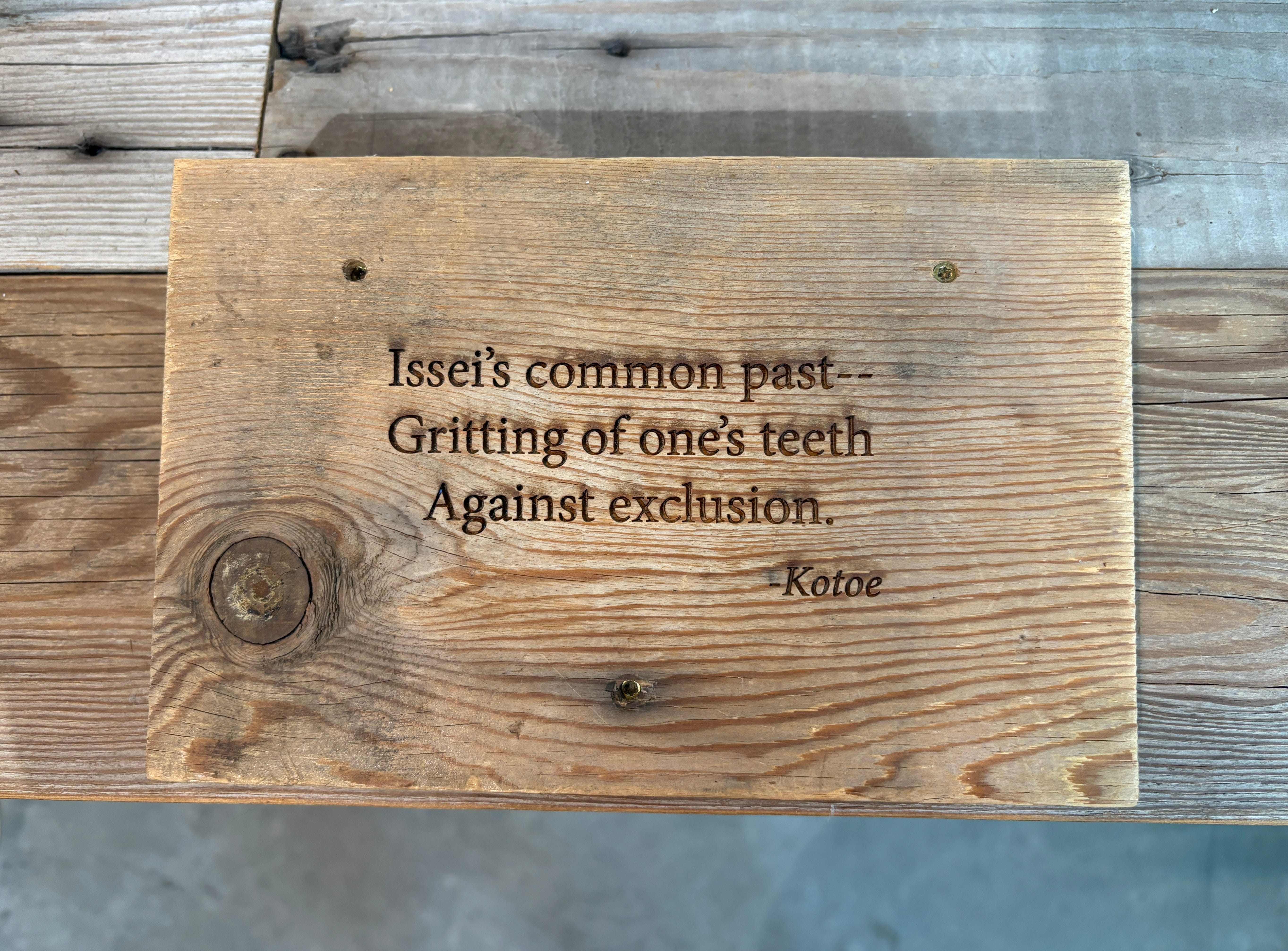
To learn more about Minidoka and the stories of those who were imprisoned, here are some valuable resources to guide you:
Subscribe to our publication to get access to content and our community of fellow adventurers and nomads. We sincerely appreciate it! ♥️
YES! Thank you for sharing this James. I have been travelling throughout the USA for 6 years now and writing about my adventures (although this is only my first year sharing them here on Substack). As you now know, so much of the history we were taught has been whitewashed. As I began researching the places we visited, I started uncovering and sharing the history that had been swept under the rug like a dirty little secret.
The way Japanese and Japanese-Americans were treated throughout the United States is deplorable, and yet we are rarely reminded of these atrocities or taught about the people and families who endured them. Their offspring say nothing-- have they forgiven us?
While staying in Cody, Wyoming, we learned about the Heart Mountain Interpretive Center in nearby Powell, located on the grounds of another former Japanese American incarceration camp from World War II. It sounds very similar to what you experienced at Minidoka. Walking through that museum was gut-wrenching. Seeing the photographs, reading the personal stories, and realizing that many of those imprisoned were American citizens made it impossible to view this as distant or disconnected history.
It is atrocious how fear and propaganda made ordinary people willing to accept the unacceptable. That is why places such as Minidoka and Heart Mountain are there. They do more than preserve history; they force us to look at what happened and ask whether we would recognize it if it began happening again. Would we recognize it?
Thank you James for refusing to look away and for using your travels to keep these stories alive. Mine is Planes Trains and Rving.