

The Changing Face of Tourism
As adventure travelers, we should be concerned and aware of what's going on.

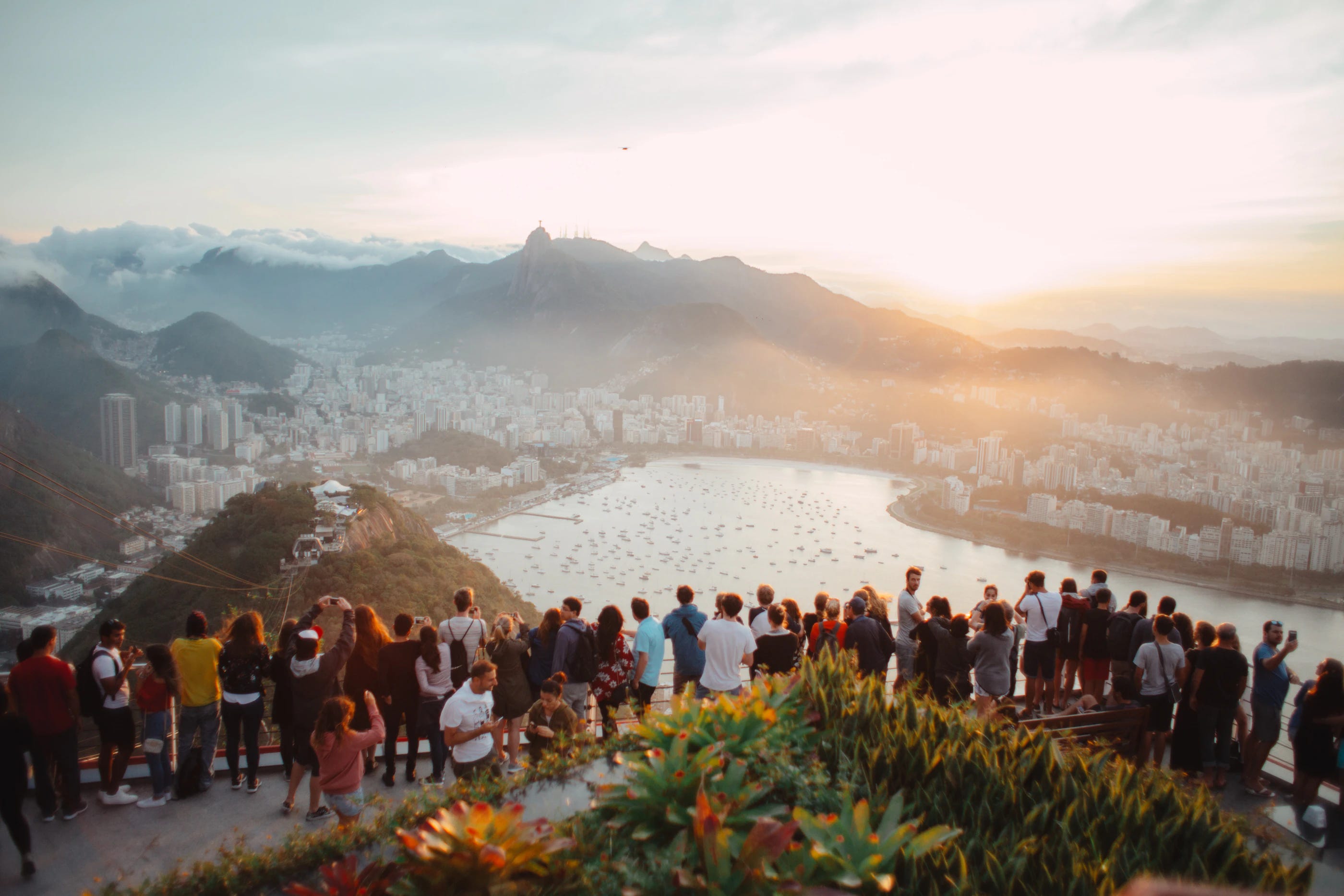
From the vibrant streets of Barcelona, Spain, to the scenic charm of Estes Park, Colorado, travelers from all over the world will visit incredible destination cities like these every year to make memories of a lifetime – and they will collectively spend billions of dollars to make it happen!
Without this steady flow of visitors and the money they bring, many popular tourist destinations would not survive. Local businesses would struggle to stay open, entire communities could face economic collapse, and once-vibrant places might eventually become ghost towns. Tourists are their lifeline.
So it’s perplexing why these places are starting to threaten their survival through the choices they make about the tourism industry as a whole.
If you travel full-time like us, you have likely experienced these seismic shifts, mostly in the form of asinine price increases or hatred towards tourists, but also in other ways, like restricted parking or entry to National Parks.
Understandably, some of these cities must rethink the challenges of tourism, such as overcrowding and disruptive visitor behavior. These unforeseen problems can cause a wide range of hardships for local communities long after our visit is over – something all travelers should be aware of.
But it’s the growing trend of greed and exclusion that’s most concerning.

Price gouging is becoming widespread.
With the average vacation cost now at $7,249, most Americans can no longer afford to travel, and for those who do, it often requires going into debt.
It’s easy to blame inflation for this problem, but the reality is that the tourism and hospitality industries have become extremely greedy, doing everything possible to squeeze every last dollar from your bank account.
Hotels are notorious for this.
Weekly rates are cheaper for the average room, while weekend rates are at least 50% higher. If there’s an event in town, these prices can soar to 300% more than the typical daily rate. Same room, same service.
But it doesn’t stop there.
In the most desirable locations, hotels are now charging extra for things that used to be included. Parking, breakfast, WiFi, and other amenities are being tacked on as ‘resort fees’, inflating the final price far beyond what was advertised. And that $2 can of Pringles in the lobby will cost $5. It’s not about inflation but about exploiting customers.
Tourist destinations are no different.
Walk into almost any shop or restaurant in a popular destination today, and you’ll feel it immediately. Everything is grossly overpriced! A beer that should cost $3 is now $10. A simple burger? $20. That t-shirt, which probably cost $7 to make, is marked up to $40. Except for Brownfield’s. They do it right.
You might even have to pay to park just for the privilege of spending more money.
As Americans continue to face economic struggles and income inequality grows, we hope the greedy tourism and hospitality companies will suffer long-lasting consequences for price-gouging their customers, because it’s uncalled for.
Of course, the capitalists who run these businesses probably don’t care.
Elitism and exclusivity are growing.
Take a good look around some of the country’s most popular tourist destinations today. You’ll notice a huge shift in demographics.
Towns like Lake Tahoe or Vail have become playgrounds for the wealthy, built to serve the elite few. The average American isn’t just being priced out; they’re being pushed out. Worse yet, this trend is spreading.
Cities and towns around the world are following their lead, turning once-accessible places into exclusive havens for those with money and status. Even our public lands, which were meant to belong to everyone, are no longer exempt.
Beaches along the coast now require special permits and expensive parking. Hiking trails that were once free and open to everyone now come with costly permits, if you can even get one. Mountain regions, scenic lakes, and wilderness areas that used to be accessible to all are being closed off in favor of the locals or those who can pay for the experience.
Can you imagine the day when Yellowstone National Park will only be available to the wealthiest people? The current administration would like it that way.
Bit by bit, access is being restricted, monetized, and taken away. And if we don’t speak up and push back, we may soon find that the natural beauty of this country and the right to enjoy it belong only to those who can afford it. There won’t be any space left for ordinary people to rest, explore, or belong.
Silence today means exclusion tomorrow.
How do we keep tourism alive for all?
We believe it begins with you. We need more travelers who are willing to push back by speaking out, choosing alternatives, and demanding that these unscrupulous practices change.
Boycott hotels that price-gouge customers by charging resort-type fees.
Stop supporting restaurants and breweries that overcharge customers.
Write to the local government officials taking away access to our public lands.
Avoid destinations that grossly exploit tourists.
Tell others on social media about those who do all of these things.
No one should have to go into debt just to enjoy a weekend getaway or visit a National Park, nor should they be excluded from public lands that were once free and available to all.
Take a stand against these injustices!
Finally, there’s one more critical part of this conversation: we have to be better tourists.
In a culture increasingly defined by self-interest and entitlement, travelers themselves often contribute to the very problems we complain about. When we abuse public spaces, disrespect locals, mistreat hospitality workers, or act like the rules don’t apply to us, we become part of the reason access gets restricted and prices go up. When tourists behave poorly, communities respond—often by pushing people out, raising barriers, or limiting access entirely.
So please, travel with respect. Be mindful of where you are, how you behave, and the impact you leave behind. Because if we want these places to remain open and accessible, we have to earn the right to enjoy them.
James, your last paragraphs should have been the first in your article. Tourists have impacted travel in many bad ways. Disrespect for destinations, service providers, and locals, not to mention the destruction of National Parks. Fees and permits help to regulate traffic and reduce the impact of tourists. How else would you do it? While many posted signs encourage positive visitor behavior, it is difficult to make people do the right thing. Some people think the rules don't apply to them.
I appreciate that you are raising awareness. But I don't hear you proposing a solution that is different than what is in place.
Tourism breaks down when places feel exploited from both sides, by operators chasing more revenue and by visitors treating access like an entitlement.